

What Mythygica is
Tool kit
- Write the alphabet letter by letter each morning
- count scoops of creamer and sugar into coffee while holding an idea, thought, or possible information. Stir counter clockwise to ponder, then counter clockwise to release.
- Last thought before bed should be written or typed. One line, one word for a first morning reflection.
- read concoctions in sections per Key. One question or idea
- select major/minor color for one daily reflection on trajectory
- explain fact, embody metaphor
- 30 seconds of non-stop, good, self-talk. A rapid-fire attribute list 9am daily and also often. Use for contemplating others as well
- continue conscious reorganization without symbolic attachment
- feel feet against floor. Flatten them, dig in, then notice ankles against socks, legs against pants, body against surface.
- information is not comman.
Feb 1, 2026 8:27 AM

Welcome to Mythygica's Blog & Insights, your portal into the profound origins of human cognition, linguistics, and how ancient history continuously shapes our modern world. Discover how subtle shifts in engagement can lead to profound self-clarity. Our articles are crafted for those interested in language and technology, offering new understandings of ourselves and our communication.
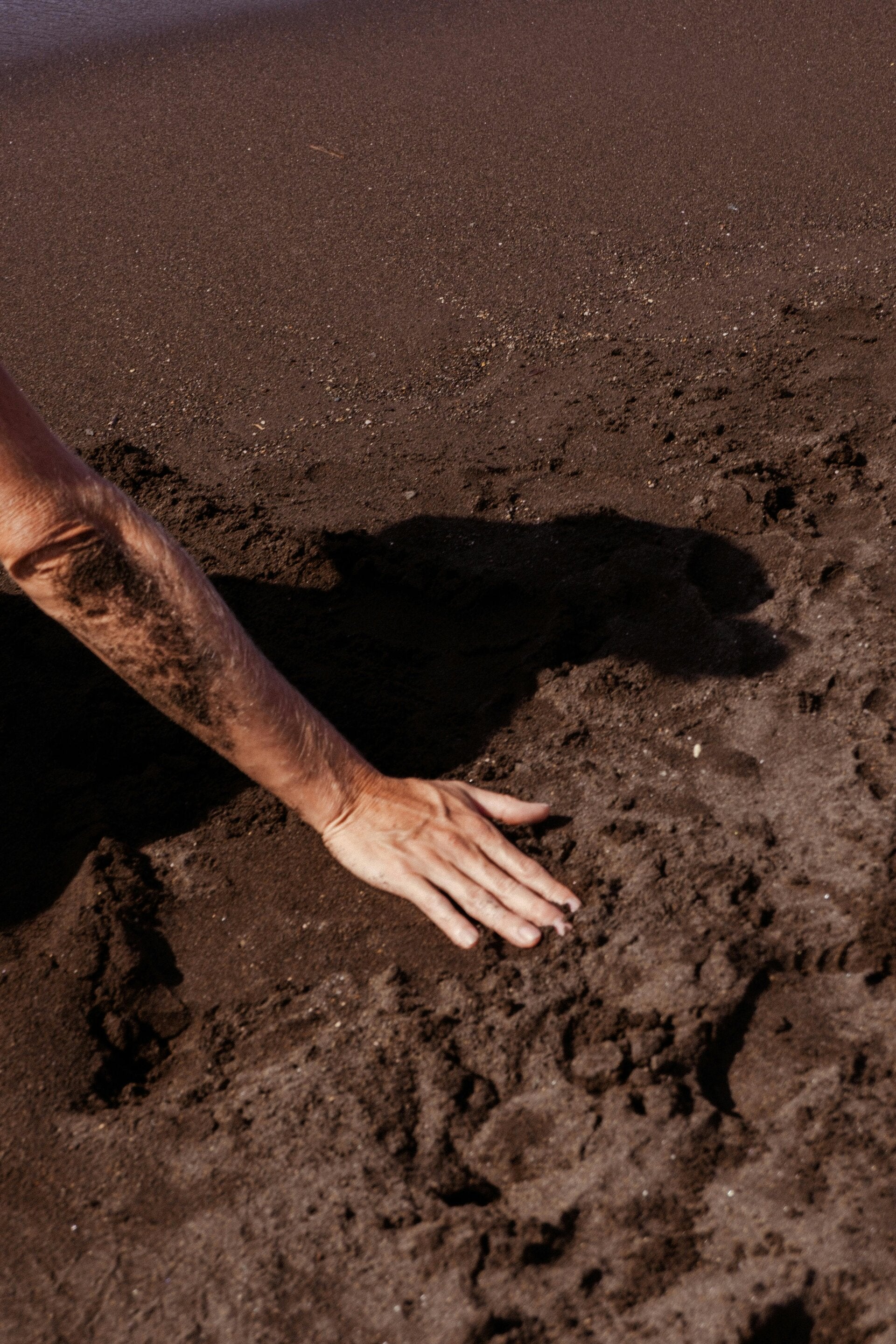
In the beginning, humanity (or the organisms that loosely resembled us) took upon a tiny but cosmically relevant task that has affected every communication we have had ever since. Before we became singular information highways defined by the concepts of self, me, and I, we were a global-human information highway. What is the difference between what we see as "intelligent" communication (language and technology) and what we believe our "primitive" ancestors used by way of groaning and grunting through their daily lives? Absolutely nothing. That’s right. Nothing. Somehow, those lovable pre-humans made one of the most profound shifts in history: someone made a dot, or smeared their fingers on a surface like mud, and realized that the mark came from them.
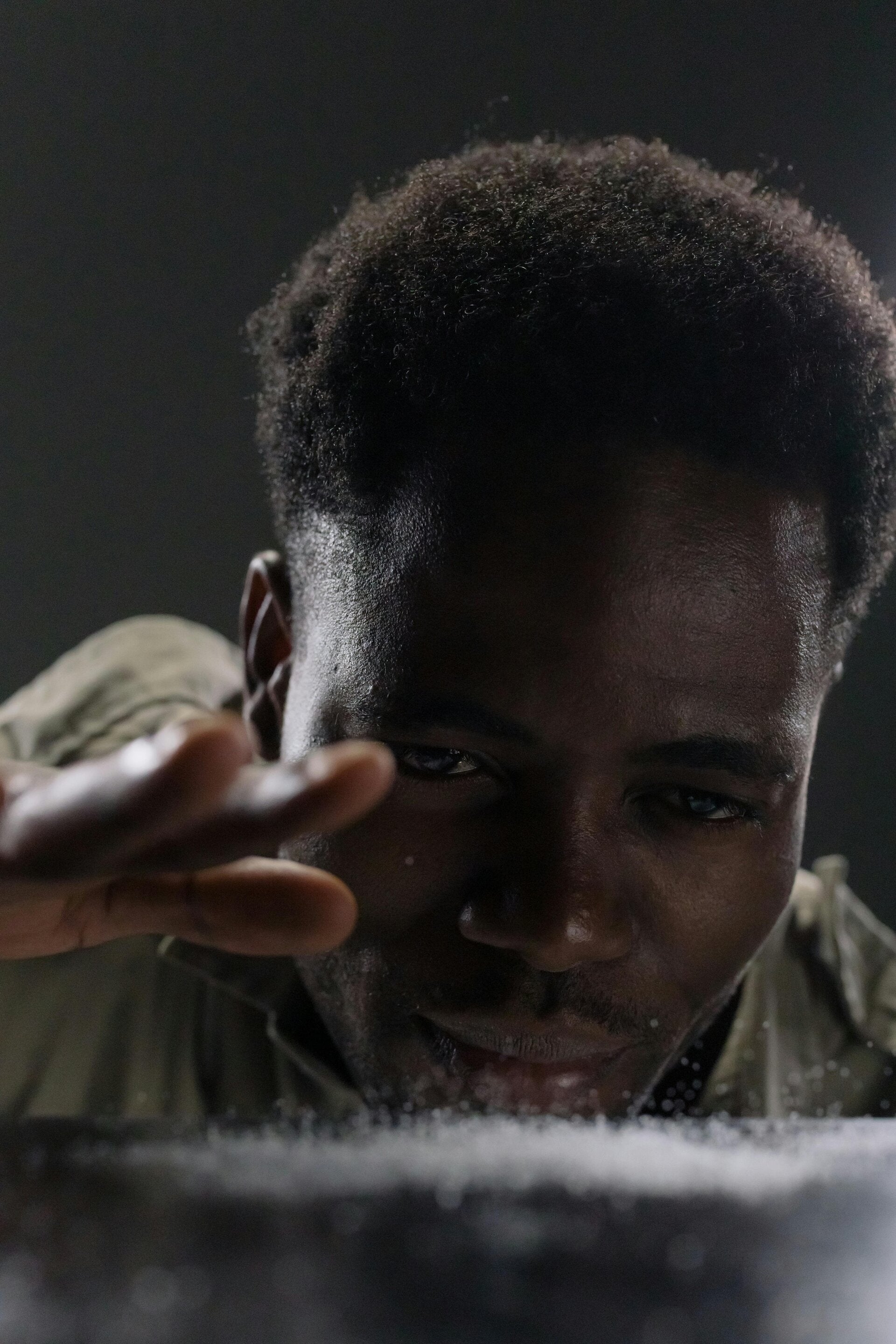
Place yourself millions of years ago. Walk or crawl through your day as if you had never questioned "why" or thought to ask what else there might be to life. Imagine not knowing what life even is. Now, imagine you look down—after generations before you slowly made their way repeating the exact same cycle—and see a mold of your hand pressed into the wet earth. Imagine, for the first time, noticing that your own hand has just affected the world. Whether it was the once-mundane sensation of mud between your fingers finally being felt, or the sight of thousands of tracks made by others, the realization led to the same awe we experience with incredible new technology.

So, we return to our friend, the proto-human who noticed their own print. It was ordinary and common—everyone does it. But wait—now there is an "everyone." Now, our friend has noticed not only their own mark in the world but also the marks made by other beings.
Language becomes the engine that fuels everything we see and touch in the modern world.
Stay tuned to discover how prints in the mud created societies, ritual, and the desire to optimize optimization.
Create Your Own Website With Webador